When you flip through the pages of Kitchen Garden Revival, there's something hidden; something you can't quite see on the surface but it's actually the secret to the success of every single plant I've ever grown. Know what it is? It's dirt.
Actually, it's soil and that's why today on the Grow Your Self podcast we are diving into perhaps the most important topic I've ever discussed here on the podcast, and the most crucial part of your kitchen garden. It’s the reason why today I'm going to talk dirty to you. Don't worry, we'll keep it clean.
Welcome back to the Grow Your Self podcast! Today's episode is brought to you by the fantastic Gardenary garden coaches. Gardenary is training gardeners all over North America to help you set up and grow your own kitchen garden, and you can find help for your garden at Gardenary.com. You can search for a turn-key service, for a coach who can come meet with you personally, through our directory at Gardenary.com/businesses, or you can get coached right on the site, right there, with a virtual coach at Gardenary.com/coaches. Don't go your garden journey alone, find a Gardenary coach near you, who can help you all the way, especially with your dirt.
Now, let's get dirty. Let's dive into this important topic, all about the soil in your kitchen garden today. I can't wait. I'm going to go wash my hands. I'll be right back. See you soon.

Welcome back to the Grow Your Self podcast, thank you so much for being here.
Thank you so much for sharing the podcast with your friends and family. I've loved reading your recent reviews of the podcast. If you haven't left a review already, please do so and send me a screenshot. You can dm @gardenaryco on Instagram, or email it to me, and I would love to share it with the world.
Thank you so much for your support of the podcast. I absolutely love you for it. We are nearing I think around 75,000 downloads for the podcast which is so exciting. Today, speaking of exciting, we are talking about the thrilling subject of dirt. It is actually the most important - it really is - it is the most important component of your entire kitchen garden.
If I sound a little funny today, it is because I am sitting in my family's minivan. That's right. I'm coming to you from the Honda Odyssey in my garage. I have four kids and they are all in virtual school right now, all day, every day, so it's a little much. We've run out of office space and bedrooms so guess where I am. I'm in the car. Send me a DM to let me know what you think about my new recording space. I have to say, right now it's a little warm. This episode might be a little bit shorter than normal and you'll know why.

Soil Deserves it's Own Chapter, it is That Important
Let's dive in, we're talking all about Chapter Four. I've been bringing you through Kitchen Garden Revival chapter by chapter.
If you've missed any of the episodes, go back and listen in. You'll get led through every single chapter of the book. We're on Chapter Four, so this is the final chapter of section one of the book and it's all about soil and water.
I call it “Fill.” As I was setting up the book and trying to decide how I was going to create the chapters, I actually remember, I called my agent. I had already proposed the full outline and how I was going to set up the book and I had put the soil as one of the key structures of the kitchen garden. It was wrapped into chapter three.
As I began to write the book, I quickly realized that soil, honestly, needed to be its own standalone chapter.
I can remember where I was. I was standing at a nursery here in the Chicago area, called my agent Jessica and I said, “Could I possibly change the outline? Because I think soil needs its own chapter. Can we move things around a little bit to make that possible?” And she said, “We’ll think about it.” Thankfully, she was okay with the change and my publisher was too because, like I said, as I started to write I realized soil probably should be the key, the central piece. It's no coincidence that this is right in the center of the book, and that it has its own chapter dedicated all to dirt.
I'm going to start you off with an introduction. I'm going to read the introduction to this chapter. Here we go.

Chapter Four Retold from The Kitchen Garden Revival
“It was the summer in Nashville. The kids, then toddlers and babies, and I used a hand shovel and dug a few little holes, scattered the seeds we just bought on a whim, and then turned on the water hose.
This is going to work, right?
We returned to the spot every day and don't worry, we kept bringing the hose. Everyday was the same: take a look, spray with the hose, look again, walk away. Five, six days and a week passed, still no sign of anything but dirt. I double checked the seed package. ‘
It says here that seeds will sprout in five to 10 days!’ We could have waited five to 10 years and would have never seen a plant appear.
The seeds had either rotted in the thick Tennessee clay soil or they'd been washed away from all that spraying. Whatever the case, it was not working.
“Clearly I was a garden professional in the making. Not. Although the kitchen garden structures provide the foundation and architecture for your space, there really is nothing more important than the soil and the water in your garden.
These are the elements that will fill your garden with life and ensure that you don't just have a bunch of boxes and trellises, you have sprouts and plants, and, of course, delicious fresh harvests.
Chapter Four may be a little late to say this, but the truth is, you could skip the boxes and the pathways and the trellises, but if you cheat on the soil and the water, you might as well forget the whole thing. And you haven't read this far to quit now, so let's fill your garden with the very best soil and water possible and ensure that you're not left standing with a hose, wet dirt, and nothing to show for it.”

True Story. It Really Is.
It was the first summer in Nashville. I have to tell you, I had three kids under three, and not a lot of money. We were renting, and it was a hot summer. We would basically go to the pool, come back home, go to the pool, come back home.
Then we would also go to Target because that was just the way I entertained my kids. We'd go buy something from the dollar aisle and check it out, eat some popcorn, walk around a little bit, and then go back home. On one of those excursions at Target we bought some seeds. I think they were flower seeds, if I remember correctly. I purchased the seeds. I do think that I, at least, had the where withal not to buy them from the 09dollar aisle.
I bought them back from the garden center, and brought them into our Nashville front yard.
Take the Green Thumb Quiz
Discover your own gardening strengths and find inspiration to grow your self further.
That Time No Seeds Came Up
I had not really grown anything from seed, up until that point honestly. My mom had helped me grow some oregano from seed when we lived in Charlottesville, but there in Nashville, I hadn't done anything.
By the way, if you haven't heard this whole story of how I've gardened in so many places and have that background, you can listen to the episode called The Girl Who Planted Gardens. I gathered my kids around. At the time it was Carolyn and Brennan, 3 and 2. Rebecca was a little young to pay attention. She was a baby, but we planted some seeds.
We just raked some soil around in the front, and put some seeds directly in the ground, right there in the front yard. This really did happen. I didn't just make the story up and and really nothing happened. No seeds came up.
In a very short time, I realized this was a fail so it was a little disappointing for the preschoolers to basically just see a big pile of dirt never change, day after day. This is what prompted us to go to the backyard and try row gardening that next summer.
But this particular summer, it just all sat there.

What About Your Soil?
This is my first introduction to the fact that the environment is such an important part of the garden. It's really not oftentimes what we start with. Because we head to the plant store first, we often start thinking about plants and seeds. Those are the visible pieces. Like I said at the introduction of this episode, the first things we see when we look at a garden are the plants and then we think of seeds but oftentimes the piece that we're neglecting, that we're kind of forgetting about is the soil.
The irony is that the soil is the secret. It is the most important part of your garden.
I find, oftentimes, in my Kitchen Garden Academy with my kitchen garden students or with Rooted Garden with our clients are, when questions come up - the plant isn't doing well or the leaves are changing color or the plants are just sitting there and not doing anything or this disease has happened or this pest has happened - I probably sound like a broken record but I again and again and again returned back and say, “What about your soil? What about your soil? What about your soil? Have you checked your soil?”
That's become my key question for anybody, at any stage of their garden growth, because I've just seen again and again in my own garden and in our clients gardens and even in our students gardens through the Kitchen Garden Academy, that the soil is the secret.
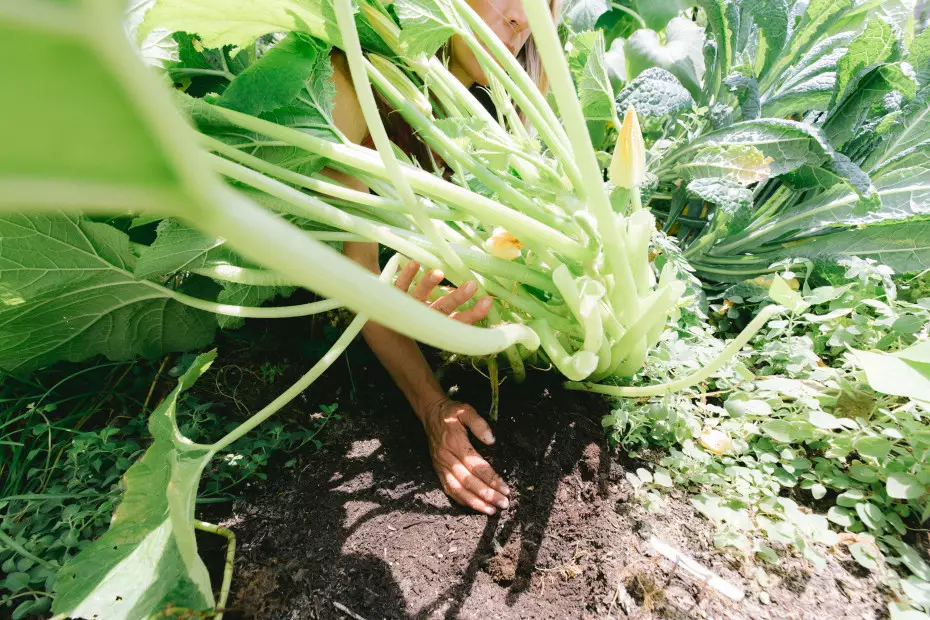
If you can get to figuring out what's going on inside the soil, then you can figure out what's going on above the soil too.

If you can get to figuring out what's going on inside the soil, then you can figure out what's going on above the soil too.
Let's Talk Dirty
Let's talk dirty. Are you ready?
We're going to talk a little bit about dirt, what it is and what it's comprised of, and the things we want to really be considering as we set up a kitchen garden. An important point to note is that most of the things you're growing inside of your kitchen garden are annual plants, meaning they are going to finish their life cycle between 30 to 90 days.
Most of them are going to be growing up from seed during that time. You do have your occasional perennial plants that you might include inside your boxes, some perennial herbs like oregano or thyme or some chives. But for the most part, most of the things that come to your mind when you're thinking about a kitchen garden they're all annuals.
Whether it be peas and carrots and radishes, tomatoes, peppers and squash, eggplants, tomatillos, hot peppers, or beets, or anything, even cabbage and kale, all of it. Almost all of them are annual plants and they're growing in a very short period of time.
They're growing from seed and almost all of these plants have, what I like to call, a fairly fragile root system, meaning the roots are very tender. Frail is probably too strong of a word but it's not like tree roots or perennial bush roots. It's not a boxwood root. Most of these roots, if you were to pull up one of those plants from your kitchen garden, they're going to be very tender and frail.
Because of this, these roots in general, require a very unique kind of soil, not the kind of soil that you're going to find in your landscape.
If you look at your landscape, those ornamental plants like a boxwood or just a native bush or tree, those kinds of plants grow well in your native soil because they've got these very strong, super thick root systems that can push through soil that maybe isn't very permeable or is full of clay. In that same place where my little seeds we're having a tough time, in that Nashville front yard, there were plenty of other plants that were thriving.
Bushes and trees and ornamental plants were doing great, but these little tiny seeds of food plants or these annual flowers, they were having a difficult time sprouting, mostly because they don't have the strong root system to push through that unique kind of soil.

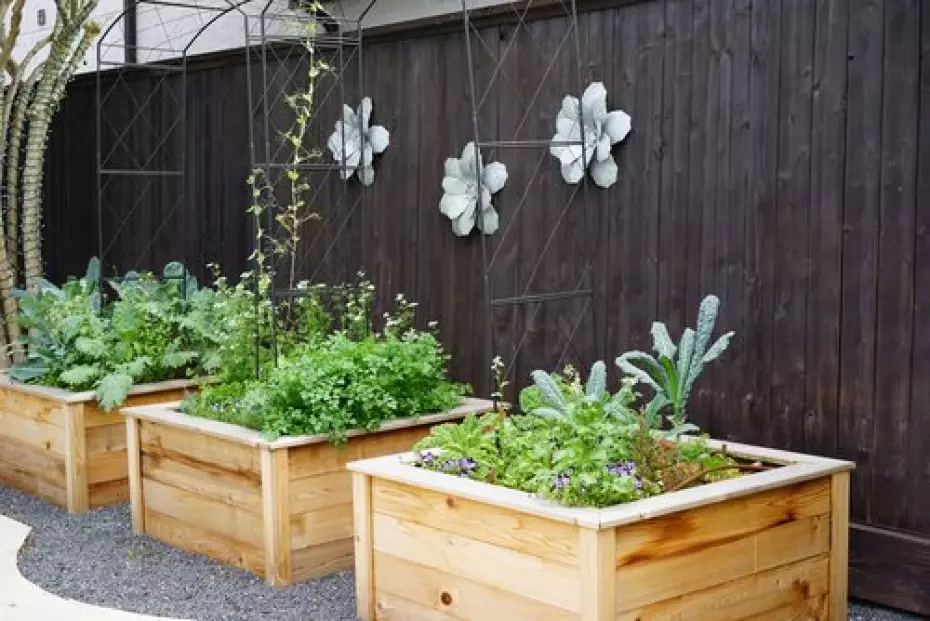
Rounded Lattice Arch Trellis
This beautiful solid steel rod arch trellis comes complete with steel strip Latticework infills, welded in position. 7 ft. high, 5 ft. wide. Solid steel assemblies fit together easily without tools. Ground spikes included. Weighs 50 lbs.
Nutrient Rich Soil is the Key to Success
When we are considering the soil for our kitchen garden, we have to keep that in mind. We want to think, not so much about what our eyes can see, but about the type of medium that the roots of those kitchen garden plants need to grow through.
A couple things, let's talk about what we want to focus on with our kitchen garden soil. The first is we want our kitchen garden soil to be nutrient rich. I love to say that you want to feed your plants that are going to feed you.
We can't expect for our plants to give us all these nutrients if these plants haven't been grown in a nutrient rich situation.
Just putting your plants out in a really heavy clay soil or putting your plants out in a very dense or dry or sandy situation, those plants have no resource to take up those vitamins to then give them to you.
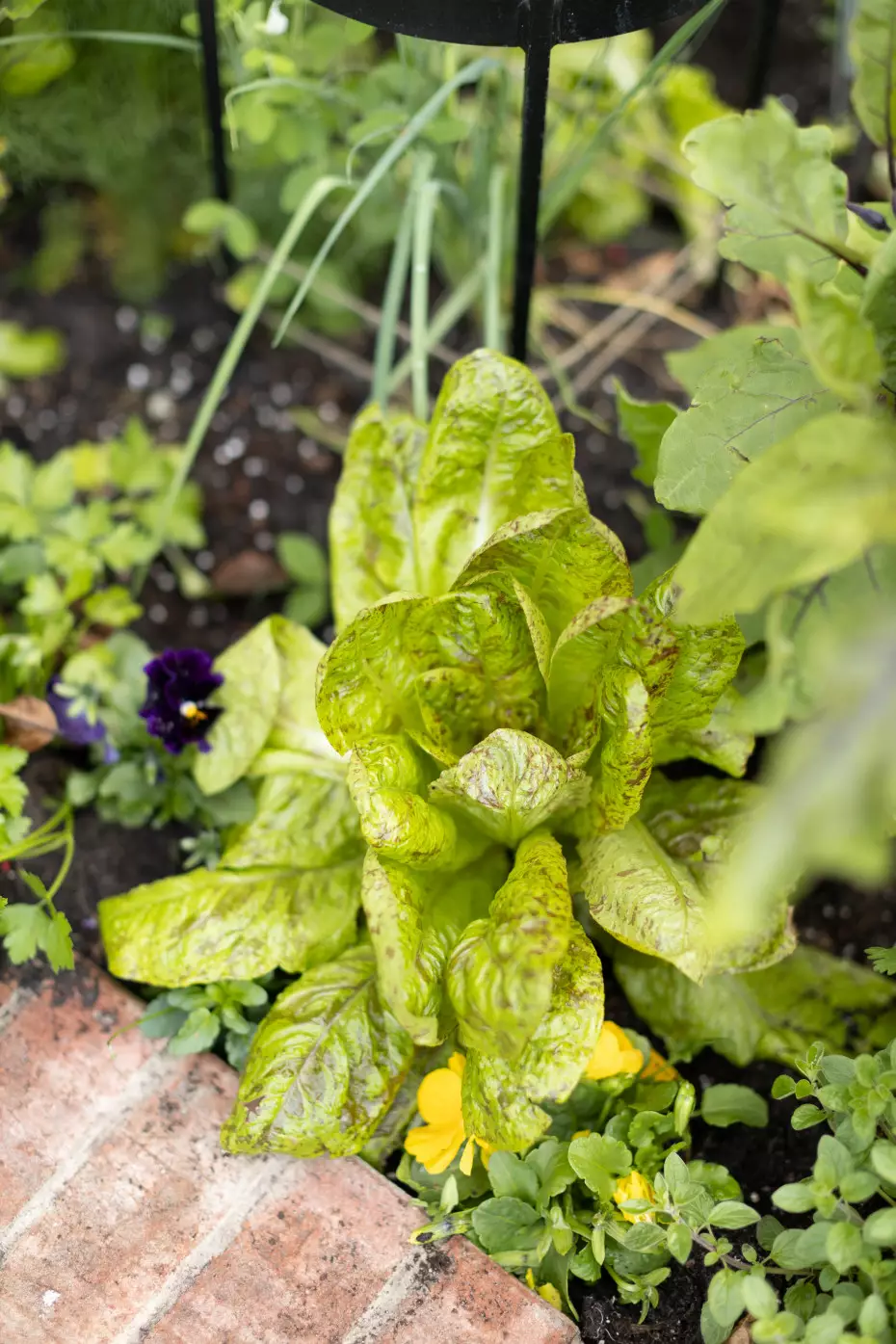
We want to be looking for a soil that is very nutrient rich. One that's full of all kinds of vitamins and minerals that need to be top of mind when you're growing any kind of food garden, because one of our main goals in the kitchen garden is to grow nutrient rich food. Nutrient rich food comes from nutrient rich soil.

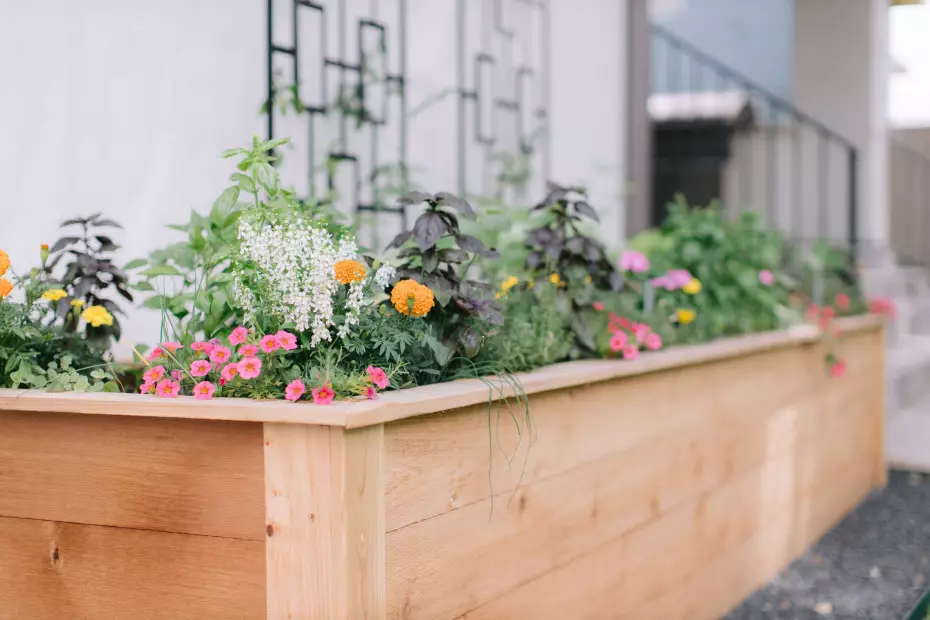
Soil Holds Air and Water, Like a Sponge
The second thing we want to think about in terms of soil is that it's permeable.
We want permeable soil for two reasons. I don't know the exact definition but what I think of permeable as, it can be permeated. Is that a verb?
Basically that things can move through it. An impermeable substance would be, nothing's going to come in or out of it. That is not what you want for your soils.
You want to imagine your soil as a sponge. One of those big sea sponges where it can take in lots of water and hold on to it, but as soon as it hits its capacity, that water is just going to run right through it. The sponge also has tons of holes inside of it, places where air can hide out inside of that sponge.
That's what we're looking for with our garden soil. The soil is a place that's going to hold air and water. Those are two essential things that our plants are looking for to thrive inside of our kitchen garden.


Two Questions to Ask Yourself
Think about the fragile roots that I mentioned. When those roots are trying to push through the soil to start to grow and thrive, if they are in a somewhat impermeable soil situation they're literally going to be stopped in their tracks.
This is why, oftentimes, when you're trying to grow kitchen garden plants in your normal landscape, you'll find that the plants rot from the inside out almost and a lot of that is because those roots are getting stuck and holding water or just holding space.
Either, you'll end up with a plant that is just cut off with growth, in the sense that it grows to a certain place and then stops, or you end up with a plant where it's gotten to a certain place and it's just sitting in water, and you end up with rot.
When we don't have permeability, that is when we run into this situation where the plant is either going to be stunted in its growth, or it's going to be rotting because of its exposure to just sitting in water.
Those are really the two main things we want to be thinking about when we consider the soil for our kitchen garden: nutrient rich and permeability. Nutrients and permeability.
Anytime you head out to your garden and you're trying to decide if your soil is in a good place, if you need to change it, those are the two things you want to be measuring.
Is it nutrient rich? And is it permeable?

The Difference Between Dirt and Soil
Let's talk about the way our soil originally comes to us or really, this is when we get the dirt when we're talking dirty.
What is dirt?
How is dirt presented to us in our general landscape?
What is it made up of?
I dig through this a little bit inside of Chapter Four, and begin to talk about the different soil elements that we find naturally occurring.
The one I've been exposed to the most is clay soil. I believe when I lived in Virginia, in Charlottesville, we had so much red clay soil. If you just went out and dug against a hillside, you would definitely see this gorgeous vibrant red color, and most of it was clay. If you were to plant directly into the ground in Virginia, you're going to be diving into a majority of clay type soil.
Clay, generally, has the smallest particles. When we're talking about the size of particles in your soil, clay is going to have the smallest but it also has a high density so because those particles are so tiny, they're packed together in a very small space.
If you were to just pool together a tablespoon of clay, you're going to have so many particles in that one little tablespoon because they're so dense. This density means that the permeability is not great. You can imagine why, as all these particles stick together, there's really no room for there to be that sponge-like material where there's air pockets for water and air to flow through.
The great thing about clay though is it is firm and secure, as you can imagine. If you've ever dug into clay you know exactly what I'm talking about. When we lived in Houston, we bought several fruit trees.

Strong Structure = Strong Roots
We did all of our annual plantings, our kitchen garden planting and raised beds, but we purchased some wonderful fruit trees that were grafted on to Texas rootstock so they were bred to be able to grow in the Houston soil. The directions were to just dig straight into the soil and plant.
You should have seen the shovel come up the first time we dug in. I couldn't make the noise, I'm not a professional noise maker, but it was something like this: sluuuuuuuuurp, because it stuck to the shovel so bad.
We could hardly pull the shovel out of the ground, that's how thick the clay was. If you've ever dug into clay you know exactly what I'm talking about.
The permeability is not there but there is structure. There is a strength to the clay soil that is great and that is something that our plants are looking for. They don't want to be growing and it’s like those action movies when people are grabbing on to the side of a cliff and it starts to break away in their hands.
There's not a strong enough structure.
You want to imagine your plant roots are like that. They're trying to grab on to the soil to settle each layer of their roots as they grow down, rather than up. When you don't have a strong structure in your soil, then that is definitely something that can cause issues.
That's the first element.

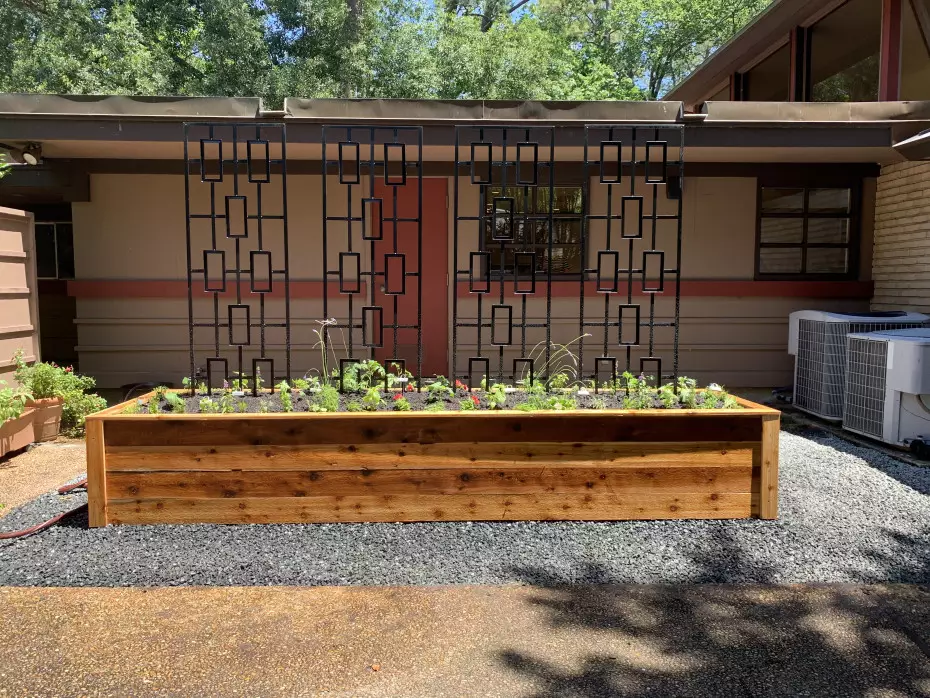
Why Silt is Important to Your Soil Composition
The second is silt.
I can remember first being introduced to the word ‘silt,’ I think when I was studying ancient civilizations and how they would find silt beds alongside rivers and that's where the first civilizations settled and began forming. If you've heard that story, too, you have this picture of this really dark rich soil right that can be farmed and that helped people start to grow food in the first place.
Silt is generally the best thing in the soil for you to be able to use in your kitchen garden and silt is going to have more of an intermediate sized particle. Clay has the smallest and then silt would be one step up.
Silt is going to have more air between its particles, it's not going to be as dense, and then it's also going to have way more nutrients than clay does. It's going to be holding those nutrients.
That black color is evidence of the nutrients. In fact, I often judge the nutrients in my soil by the color of it. If I can see the color of my soil changing, turning lighter brown, that's often a sign to me that I don't have enough nutrients in my soil.
Silt is intermediate in size, has less density than clay and more nutrients. It's good, but it's not quite dense enough to have structure, so it is going to fall apart a lot faster than clay. Back to that analogy of us climbing the cliff, as our plant roots climb cliffs deep down into the soil, silt is going to be difficult to hold those roots in place.

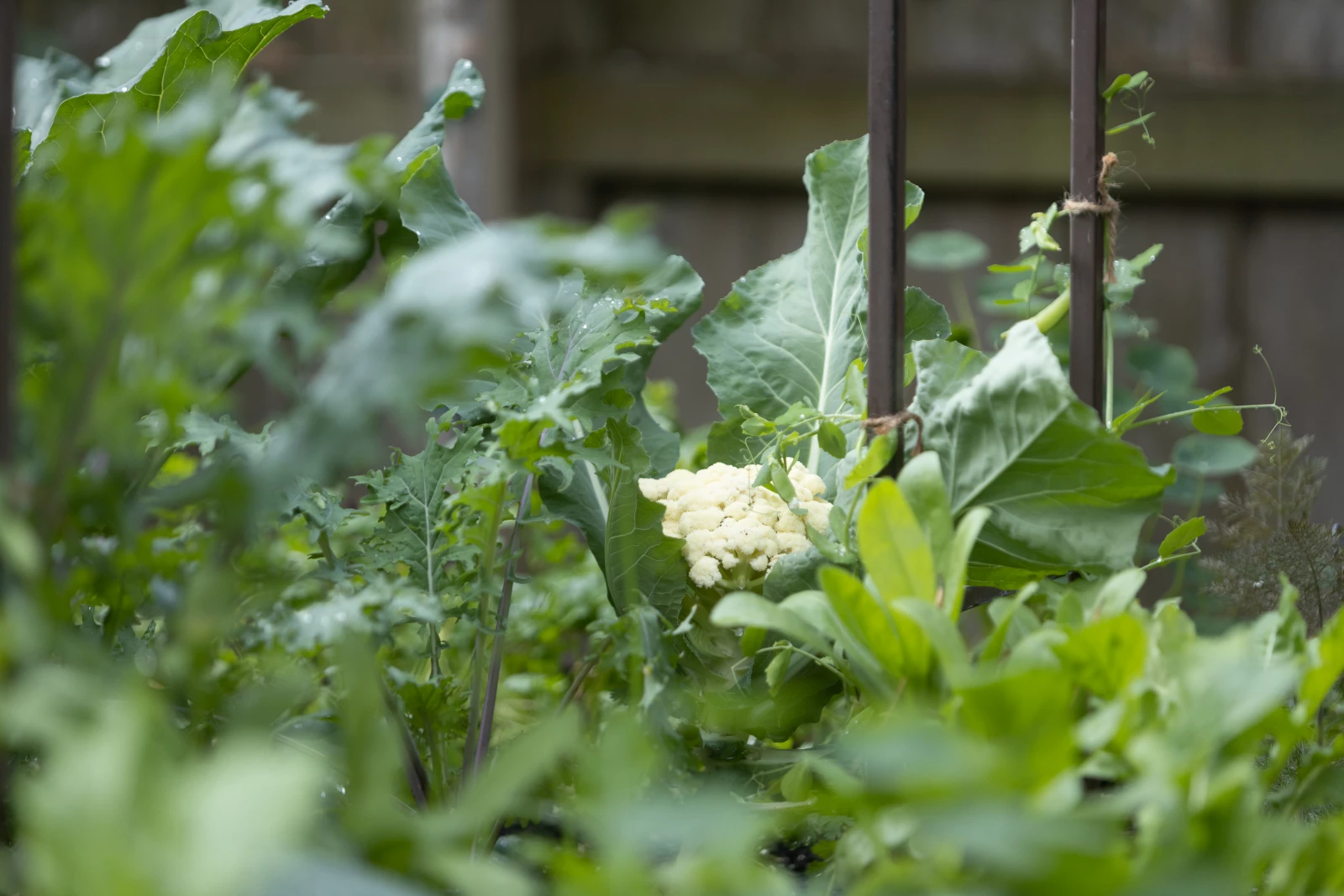
Sand Adds Porosity and Permeability
The next element is sand. As you can imagine, sand is going to have bigger particles than clay and silt, and they're also going to be further apart. In terms of density, sand is going to have the least density between silt, clay, and sand. And not too great nutrients either as you can imagine. Just think of heading to the beach and being out on the sand.
You do see plants growing in the sand, but it's rare that your vegetable plants - those that need all those nutrients to grow fruit and roots - would be rare that they could grow in a 100% sand situation. However, sand does have an incredible amount of porosity or permeability because the particles are so big. It's great for adding that addition to your kitchen garden soil, because it brings in that sponge-like situation into your soil blend.

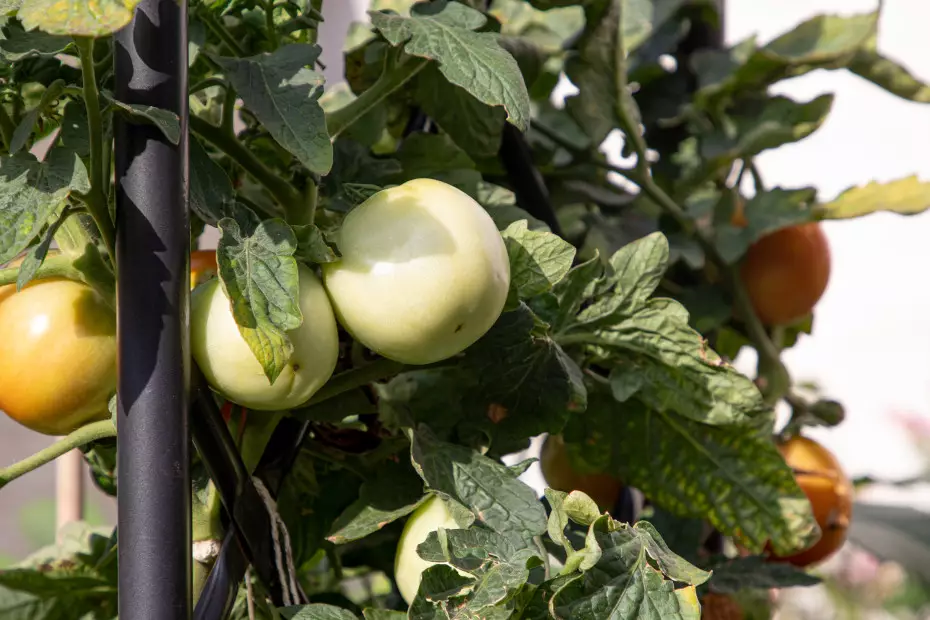
Last, but Certainly not Least, is Organic Matter
The final element that we find just in nature in our own yards is organic matter, you could even call it just compost. This is going to be all the things that have broken down over time in our soil structure. It could be a plant that's died, it could be leaves that have composted, it could be - sorry to be a little gross - but it could be animals that have passed away and that are decomposing right there on the top of the soil.
Something as simple as even an insect or an earthworm that has died and is decomposing right there, that's the organic matter that makes up that part of our soil. As you can imagine, that is full of nutrients because all the vitamins and minerals that made up that living thing have then basically broken down and they're almost separated out into their elements, ready to be used by whatever is going to grow next in that space.
The organic matter is going to have a really nice permeability. It's going to be very loose. If you've ever held freshly made compost you know exactly what I'm talking about. It's full of air pockets in every single place, like a huge big sponge. It's also going to be full of nutrients, but it's not going to have a great structure so it's going to be similar to silt, and that it's not going to be giving plants these great things to hold and grab onto because it's falling apart. It's so nice and loose.
I'm sure there are a million other pieces to our soil but I found these four categories really helped me start to understand and put some parameters around what I'm looking at when I'm looking at dirt. I can pick up a little piece of dirt from my landscape and start to separate it out with my hands and look at it and think,
“Okay, what in here is silt and what in here is clay? What is sand and what is organic matter.?”
There's all kinds of fun tasks you can do at home to start discovering what kind of soil you have locally available to you and your own landscape.
I've lived in so many different climates and places and it's been fun to discover what different kinds of soil are available to me in each and every space. I would say the predominant feature has been clay. We had very heavy clay soil in Virginia, super thick clay soil in Houston and also clay soil in Tennessee which I referenced at the beginning of Chapter Four. My exposure has primarily been to clay soil.

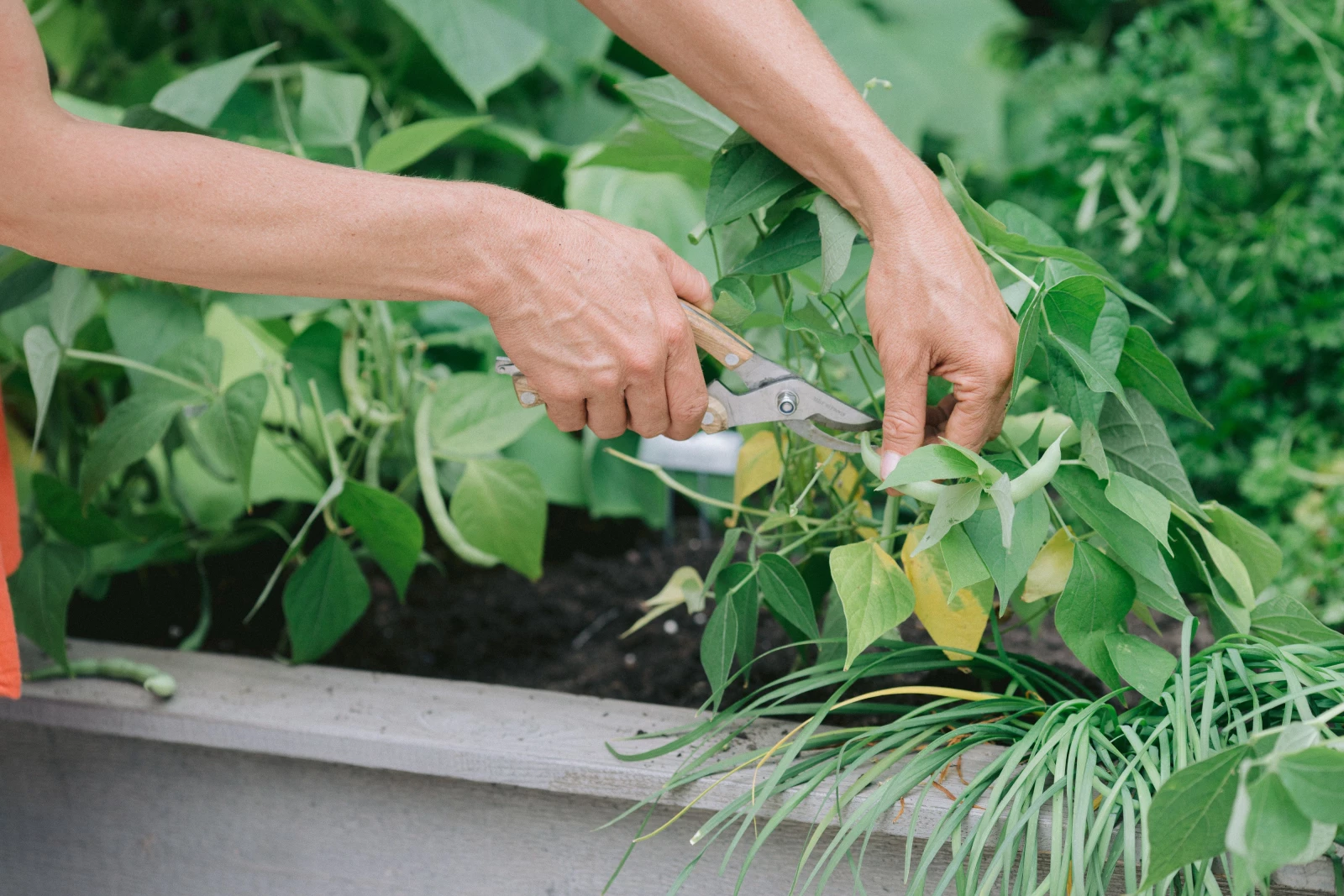
The Goal is to Recreate Nature and the Optimal Growing Conditions
When you find this out, this will help you to decide what you're going to do in terms of your kitchen garden soil.
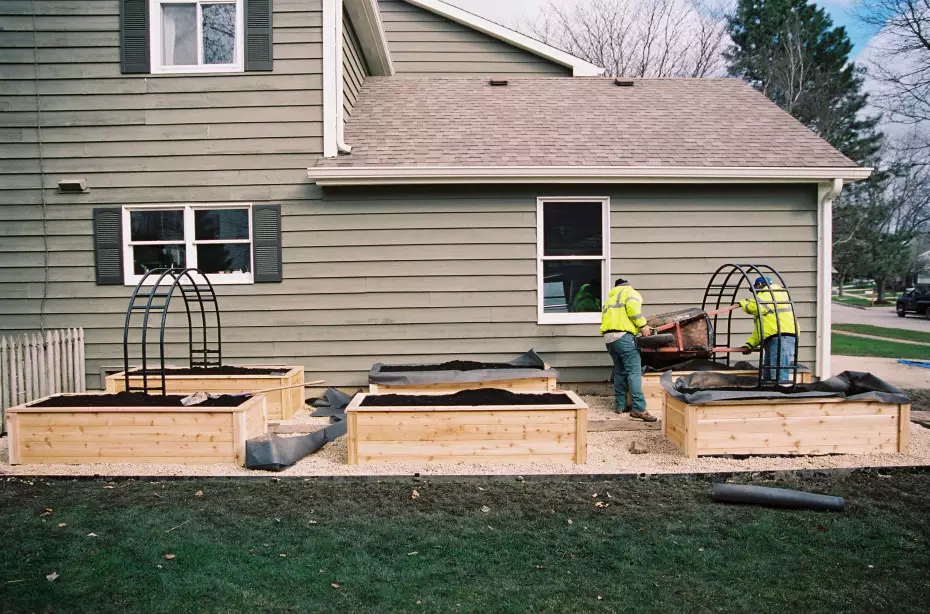
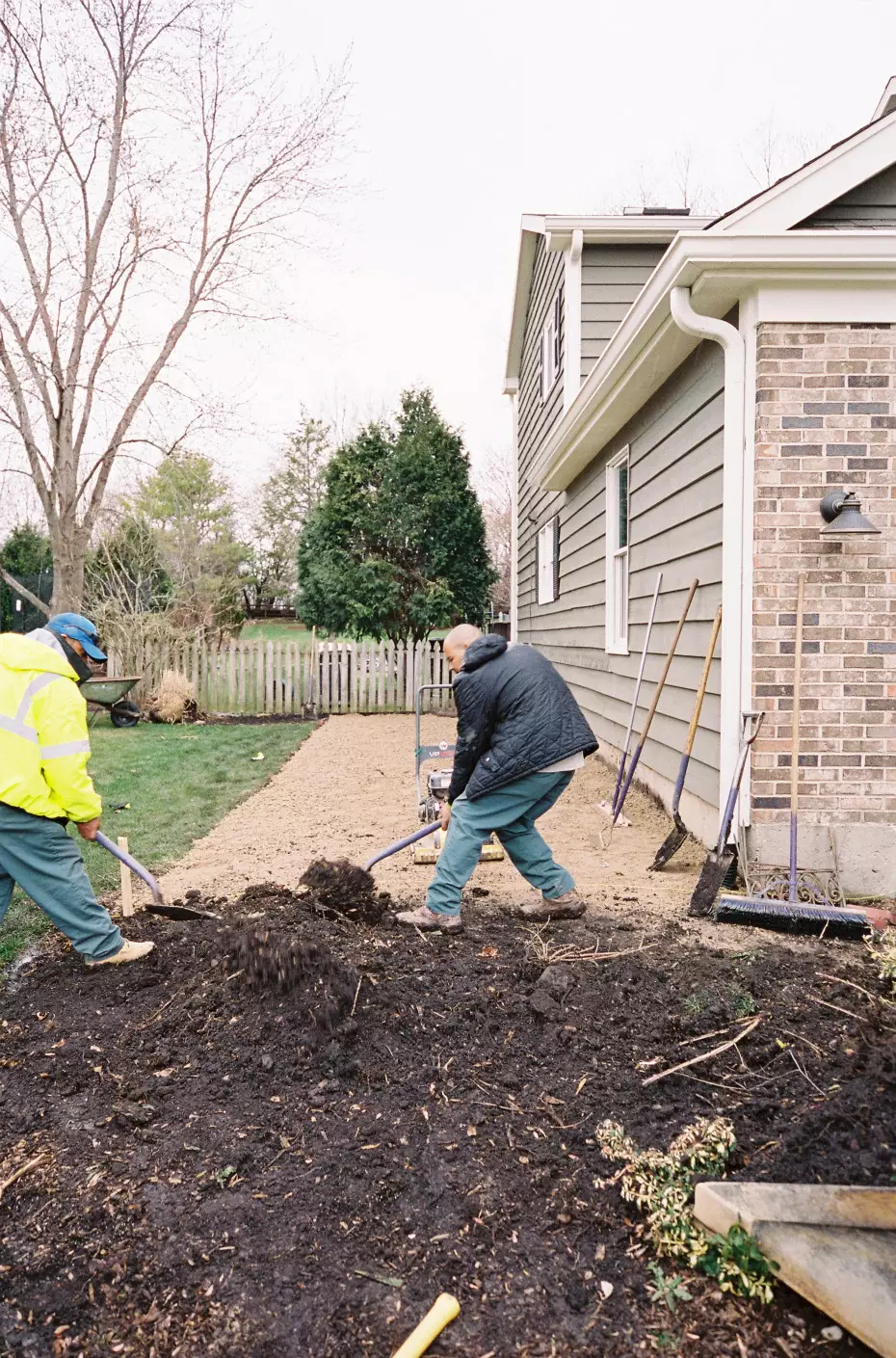
Once you can figure out which of these types, which of these elements are most prevalent in your own soil, you can decide: 1) do you want to use it as you amend to put into your raised beds or your food garden, or 2) do you need to start from scratch, or a mixture of both. It's been fun this year inside Kitchen Garden Academy. We've had a good number of students who chose, as they use my soil blend method, they chose their topsoil to actually be their top soil.
When you hear the term topsoil, we're referring to that top layer of soil available to you in your landscape. If you were to take a shovel and dig the first three to six inches off of your landscape soil, that's what topsoil means. Generally, that's going to be fairly nutrient rich and it's going to be fairly permeable and probably the best soil that's available to you right away. As long as it hasn't been degraded or sprayed with lots of chemicals or pesticides or something nasty like Roundup or something. That's what the topsoil is.
We have these four elements, so what do we do next? How do we take this and apply it to the kitchen garden? What we want to think about is nature, of course.
I do recommend that if you have not listened to my podcast called Think About Nature, you want to go listen to that episode. In that one I really dig into my concept of garden soil in regards to nature but I'll sum it up for you here quickly.
Basically what we're trying to do is recreate inside of our beds, the nature that would grow these plants on their own. We're not trying to bring in any really man made product here. We're not trying to trump the system and create a miracle. What we really want to do is, we want to recreate the optimal conditions that these plants would thrive in. What's the best kind of soil that this plant would naturally grow in, in its own setting? Ask yourself that question and then that is what you want to create inside your box.
What I found to be true is that really the optimal soil for kitchen gardens is a combination of all of these soil elements. You have your clay which is going to be available to you in a topsoil, either from your own landscape or a topsoil product that you buy locally. That is going to include some clay matter because, at least from all the places I've lived, clay is very prevalent in our top soil matter. Clay is going to give you that nice structure. It's the cliff that's going to be strong and give your plant something to hang on to as they start to send their roots down deep into your beds.
What we really want to do is, we want to re-create the optimal conditions that these plants would thrive in.

Then you want to have a sand element to your soil. What the sand does is it adds this layer of permeability, what we talked about at the beginning, this ability for your soil to be more like a sponge and let water and air pass through it. It can hold on to those things when the plants are in need of them. Sand adds that permeability aspect to it, then also you want your soil to include some compost and topsoil and compost and silt, as well.
Those two elements are going to be bringing in the nutrients and the permeability. It's really a combination of both those things, because the compost is going to have all that nutrients of the living things that have broken down all the way and decomposed into your compost. Then that silt, again, is going to have those really great vitamins and minerals that have been deposited either from rocks or naturally occurring storms or from the water. Whatever it was exposed to for that silt to be developed, it's going to be bringing all those vitamins and minerals from that, as well.
You can see silt is basically what the earth created through rocks or rocks decomposing. I don't know if rocks decompose, but rocks basically getting beaten down by weather or whatever, turning into dust, and then compost is really the breakdown of living matter. I like to say you know that what I've experienced is, that is what an ideal soil is; it's a combination of those three things. It gives us the structure, the permeability and the nutrients that our kitchen garden plants are needing.

Take the Time to Really Consider the Soil in Your Raised Kitchen Garden
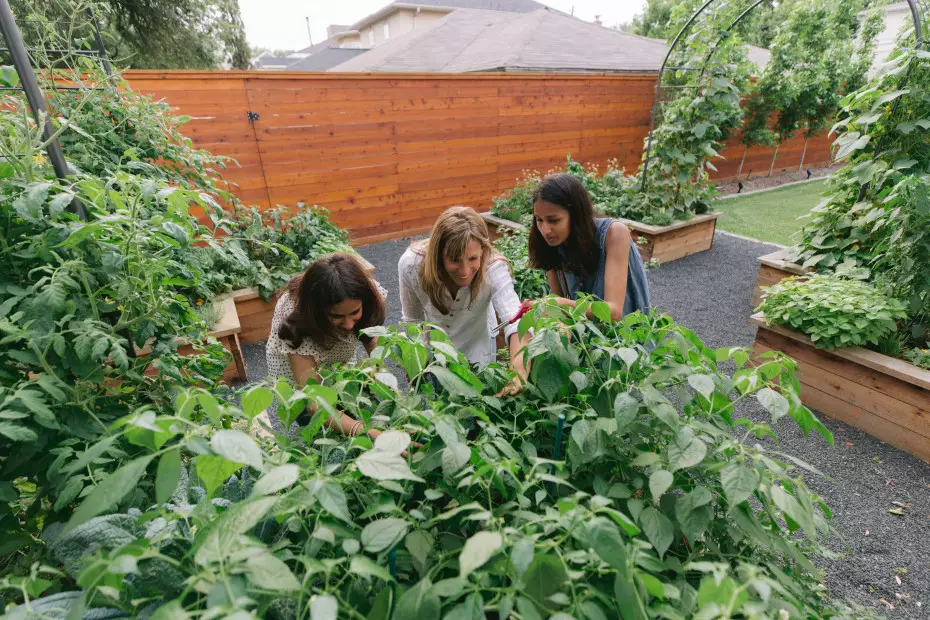
Here's what I want to encourage you to do as you think about the dirt in your own kitchen garden. Do not head to the store first. Take a walk, head to a place, you could go into a nature preserve or a local garden area, or even to a park and just observe where plants are thriving.
What you particularly want to look for is not just perennial plants, not just bushes and trees, but where you see plants that are more annual in nature. Where they've grown to have a much more tender, fragile root system, what those plants are thriving in and then pay attention, maybe even lean over, get dirty, and take up a handful of the soil in which those plants are thriving.
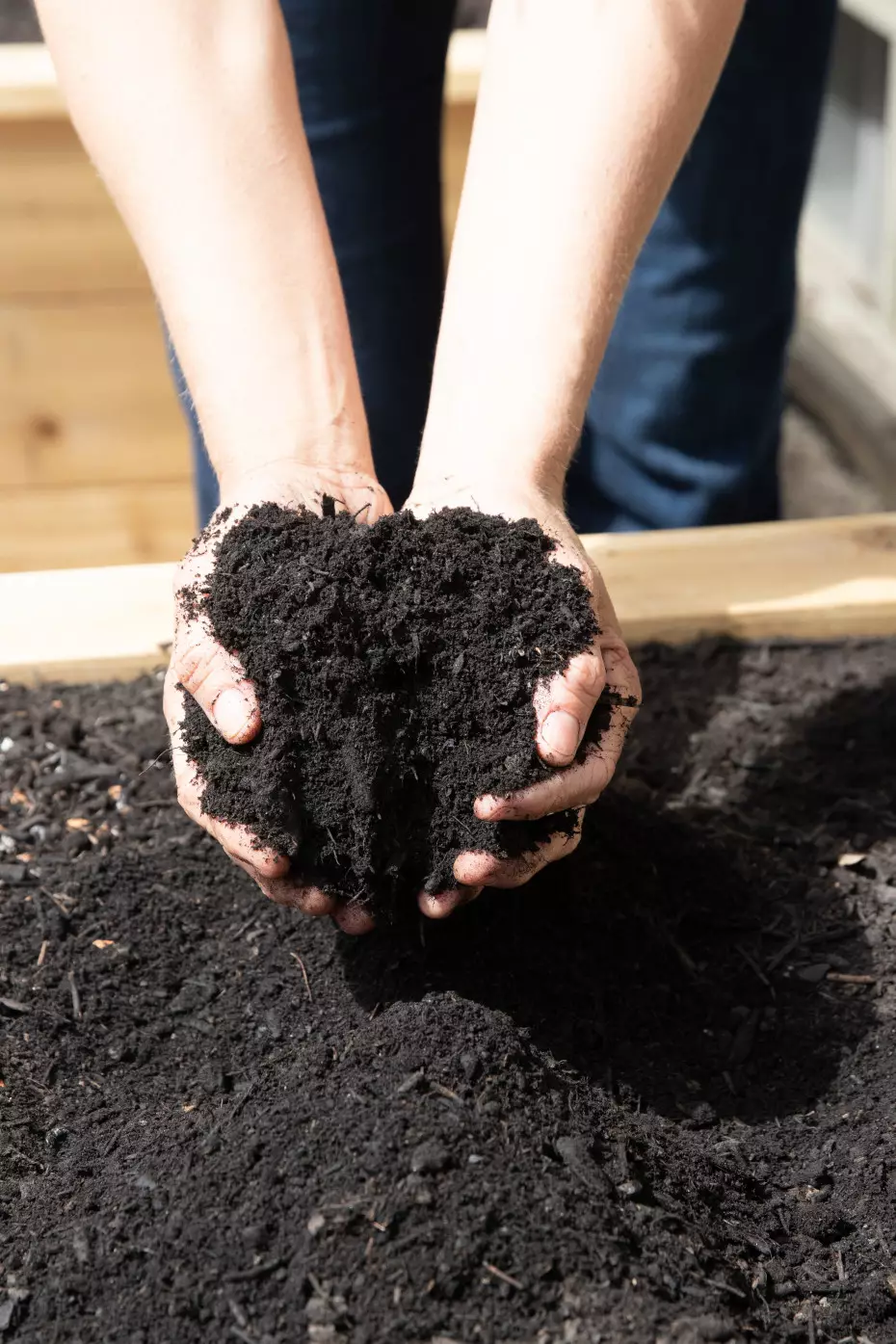
It’s not always the case, sometimes plants are so determined to live that they will live no matter what. But I'll bet that nine times out of 10 that soil is going to be dark. It's going to be darker in color. It's going to be looser, and it's going to have moisture to it. It's going to be dark, looser, and moist and then it's also going to have a little bit of an element of structure to it.
It's not going to fall apart the minute you pick it up in your hands, it's going to hold together in some shape or form, but still have a little bit of looseness. Really, just like where a sponge would give to your hand, but still would hold together. That's what the best optimal soil is going to look like.
This is what you have to do as you start to set up your own kitchen garden soil and you want to prioritize it. Like I said at the beginning, you could forget the boxes and the trellises and the pathways - you don't have to do all of that to start - but you do have to get the soil right.
That means taking some time, stepping away from the store, not trying to buy a quick fix, like Miracle Gro or some synthetic fertilizer, but really getting down to the bones of your soil, what your soil is made of, and considering how to rebuild it. If you're missing any one of those three things, then you're going to add that back.

Think About Nature
That brings me to the final part of this episode, and we're going to talk about change. I mentioned this at the end of the chapter of Chapter Four, I'm going to flip the page and read it to you.
“Even though your 103 blend…,” That's the soil blend I talked about in Chapter Four, “...is 103% perfect and your watering system is on point, there is a keyword that I need you to remember with your kitchen garden, c h a n g e. That's what happens every single day in your kitchen garden. I'm sorry to say that even though your new garden started close to perfect, that doesn't mean it will stay that way.
Every single minute the soil and the water levels are changing. On the upside, nutrients and moisture are moving to the roots of your plants, but on the downside, there is not an endless supply of these things. You can count on it. Your garden will be counting on you for help. This is what makes you a gardener after all.
I think someone somewhere said that the only thing that's certain is change, and this is certainly true for your kitchen garden. Begin with certainty that the simple soil mix and your preferred watering system are going to work in your garden, but do not assume it's going to stay perfect. Take care of the soil and water and your garden will, for the most part, take care of your plants.
Don't let those bags of fertilizer and other garden products at the hardware store and the accompanying claims of supernatural growth, overwhelm you. Remember that little tomato vine thriving on the banks of the Amazon River hundreds of years ago. Think about nature, give it a little help, and you'll be picking cherry tomatoes in no time.”
Herb Garden Guidebook
Herb Garden Guide Ebook guides you through the step by step to set up your own container herb garden and how to grow your own delicious, edible herbs at home.
The Soil is Changing All the Time
That is the thing to remember with your soil. It's changing all the time, which means you have to change with it.
I'll never forget our first really successful year in Houston, we were growing with a soil blend that you know I talked about here where it was a combination of clay and sand and compost. The first year was amazing. We had the most thriving garden, it was the one that I grew salad from for six months out of the year. Yet here we were a year later, and I was having hardly any success in the garden.
I was pretty disappointed so I called the soil provider to ask what is going on, and she asked me to describe what was happening in my garden and to feel the soil a little bit.
She said, “Oh, it sounds like your soil has lost its nutrient base. That it's missing its permeability part so what you need to do is add compost.” Sure enough, I headed to the store, I bought some great compost, brought it back in, mixed it into the top of my garden and boom! We were back off to the races. The thing that was missing in my soil at that moment was nutrients.
I had the permeability. The soil was super permeable almost to a fault, where the water was just running right through. I was missing the nutrients and I was missing the sponge part of the permeability where it could actually hold the water there long enough for the plants to take it up.
All I had to do was add in the next part. I had to add in an element that was missing. Then I could go to another part of the year, maybe two or three years later and my situation might be that I'm getting lots of growth but the plants are falling over or not staying strong after they’ve grown up to begin with. In that situation, I could look and observe and check out my soil and find that, probably, the main problem is the structure in the soil, that I'm missing the structure that's supposed to be there.
In that case I could bring in some more topsoil or a little bit of extra clay and work that into the soil to make sure that the plants keep the structure that they need.

Your Job is to Pay Attention and to Keep the Pantry Well Stocked.
Or you can fast forward and go to another part of a season and the plants are growing, but as soon as they start to grow or get to a certain point, the leaves turn yellow, the plants seem to be rotting, maybe even from the bottom up, and you can't figure out what's happening. Probably what's happening is that there's not enough permeability.
The plants are growing but the roots are hitting a place where they can't push anymore, they're either sitting in too much water down at the base of the plant, or they're getting stunted in their growth because the roots are unable to push through. In that situation, what am I going to bring in? Some sand.
When they bring in the sand, that's going to add some permeability to the soil. All of a sudden, there'll be lots of air pockets for the roots to push through and I won't have these bad yellow leaves that were bumming me out beforehand. Does that make sense?
Change is always happening and it’s not something to be afraid of. It's a good sign. It means on the upside, that your plants are taking in nutrients, that they're growing and that they're giving back to you, so you have to give back to them.
You've got to be paying attention and noticing, just like my kids. I had groceries delivered last Friday. We hit Wednesday and we are out of groceries because these kids are home all day long, and they're eating me out of my house so it was time to feed them again. The same is true for your plants.
When your plants have a great, big spurt of growth or they’re doing something special, fruiting or flowering or moving to the next stage of their life, they are taking a lot of food out of the pantry. And in your garden’s case, the pantry is your soil. Your job is to pay attention and to keep the pantry well stocked.
Does that make sense? I think it does. It's not too dirty, not too terribly dirty. You are going to get dirty, but it's a fun kind of dirty. It's a clean kind of dirty actually.

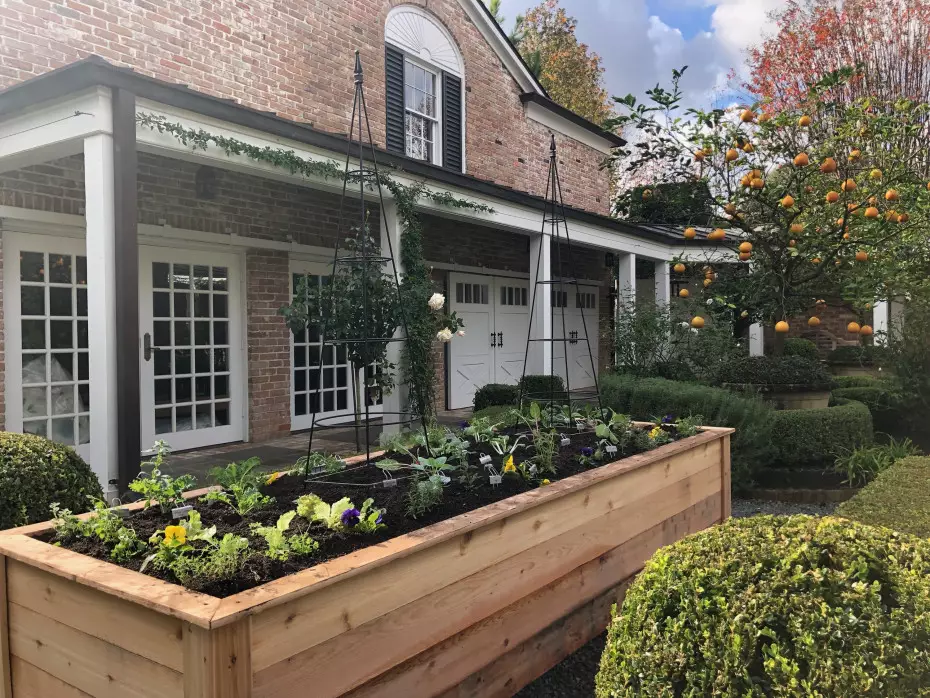
Soil is Like the Giving Tree, It Gives Back to Us
Listen, soil is so magical. This is a topic for another podcast but I truly believe in composting and using great soil, reusing organic matter, letting the things that we grow break back down and become compost for the next season. Using compost instead of fertilizers I truly believe is a way that we can change our environment for the good. That we can sequester carbon - look up how carbon is sequestered by compost, it's amazing. There's so many things that we can do that are good for the world when we take care of the soil.
One of the great things about soil is that it gives back to us. It is one of those things that you can't out-give it, so you give to it and it'll give you three to four times what you gave to it. You give three to four times more to it and it'll give you 10 to 12 times more. It literally out-gives you again and again.
Remember that story The Giving Tree. I think we need a book called The Giving Soil because it is so generous. I am always adding new things to my garden soil, new compost layers, new little treats. I'm treating it like it's a kid. It's one member of my family that needs to be fed constantly. The more I view it that way, the more it gives back to me with beautiful plants, overflowing plants, and lots of harvests. I am certain that you will find the same is true for you.
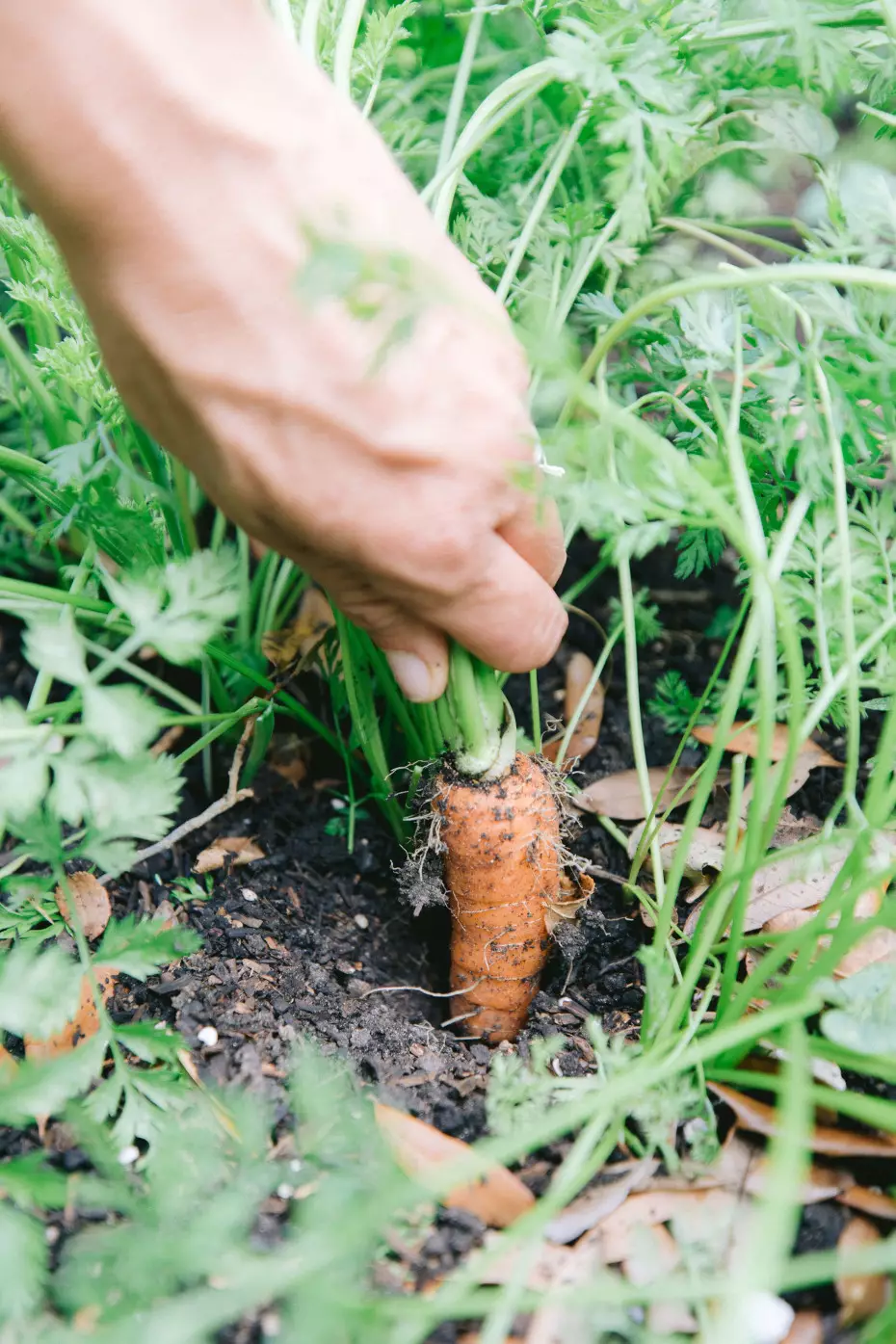
When you're feeling discouraged in the garden, when you're not sure what's going on, or if you just feel like this year has been a big disappointment, don't look at the plants. Don't look at your raised beds or your trellises or your design. Look at your dirt, pick it up in your hand, feel what it feels like. Try to pick it apart and find out if it's got clay or sand or silt or compost in it. Decide if it's permeable, if it's got enough nutrients, if it's got enough structure, and then give it what it needs. Listen to your soil feed it well and it will feed your plants which will feed you back 10 times. That's the dirt on dirt.

Make Your Garden Goals Happen This Fall
Thanks so much for listening to the Grow Your Self podcast. I love you for it. Thanks for getting dirty with me, send me a picture of your dirt. I can't wait to see what your soil looks like in your own kitchen garden. Stay tuned next week we'll be diving into chapter five all about planning your kitchen garden you're gonna love it. I will see you then.
Thanks so much for listening to the Grow Your Self podcast. I have officially worked up a fantastic sweat here in my minivan so I'm going to go inside now but I wanted to remind you that if you want help in your own kitchen garden, you have to get help from a Gardenary garden consultant or garden coach. You can find them on the Gardenary site. You can search the directory for a business near you or you can get coaching right on the site at gardenary.com/coaches
I am on a mission to help gardeners everywhere create a profitable profession, teaching others how to garden. I think it's the secret to bringing the garden back and making the garden an ordinary part of our lives once again. Go support a local garden coach or garden consultant near you and if you are a gardener, and you want to become a garden coach or consultant, you can find out more about it on the Gardenary site. We'd love to welcome you into the Garden Coach Society.
Thanks so much for listening to the Grow Your Self podcast. I love you for it. Don't forget to review the podcast and come hang out with me on Instagram @gardenaryco.
I'll see you next week!
Schedule a Fall Garden Consult
Book a fall garden consult with a trained Gardenary coach to make your goals happen.